

Paul Dolan
Professor of Behavioural Science at the London School of Economics and Political Science (LSE)
Author of two bestselling books on happiness
New book out 8 May - Beliefism: how to stop hating the people we disagree with
Beliefism - new book out now
Beliefism - new book out now
““Brilliant, wise, humane, scientific, and kind. Beliefism is exactly what the doctor ordered - and it could change the world.””
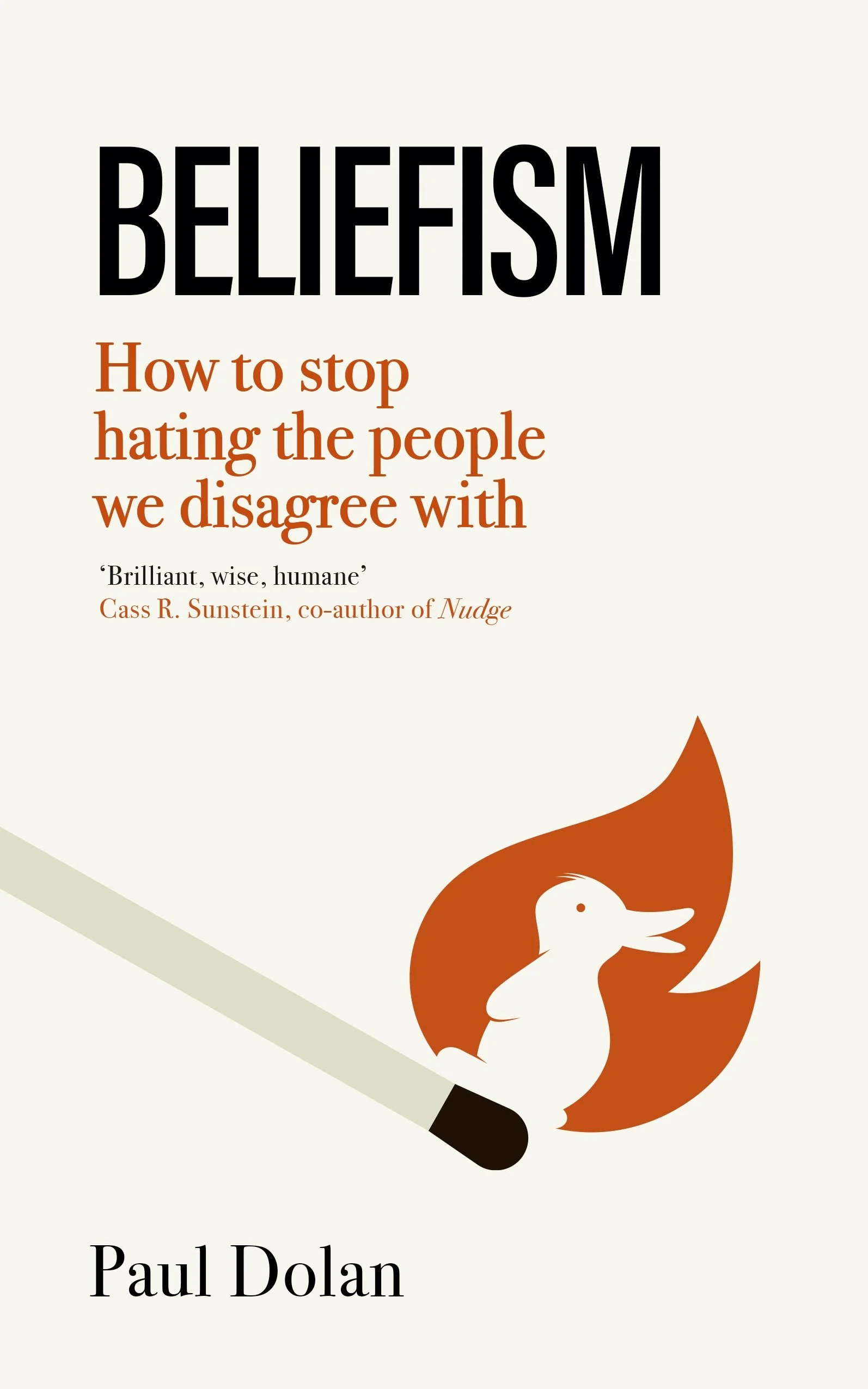
Find out how being less beliefist will make you a better person – at work or at home.
OUT NOW: We might like to think that we're tolerant, but many of us struggle to engage with people whose opinions differ strongly from our own-even if they might have something useful to contribute to the debate. That means we're falling victim to what behavioural scientist Professor Paul Dolan defines as Beliefism: discrimination against those with different beliefs to us.
Breaking Beliefism
Following on from his Duck/Rabbit series, where he discussed issues that divide us, Professor Paul Dolan is now seeking out people with different views to tackle ‘beliefism’ - his term for discriminating against people with different beliefs to us. Join him on his journey through beliefism and towards finding ways to listen more to different people and perspectives, which lies at the heart of social progress.
Developing measures of subjective wellbeing and applying behavioural science in practice
Over the past three decades, Paul’s research in health economics and behavioural science has focussed on an array of issues, including valuing health states, equity in health, valuing safety, the impacts of COVID-19, social mobility, the theory and practice of nudging, and the use of financial incentives. The glue that has held this all together is developing tools to better capture the richness of the human condition for the purposes of individual, corporate and policy decisions.
Paul’s research has had significant impact. He is author of ‘Mindspace: Influencing behaviour through public policy’ published by The Institute for Government in March 2010 and he wrote the questions that are used by the ONS in the UK to monitor national wellbeing.


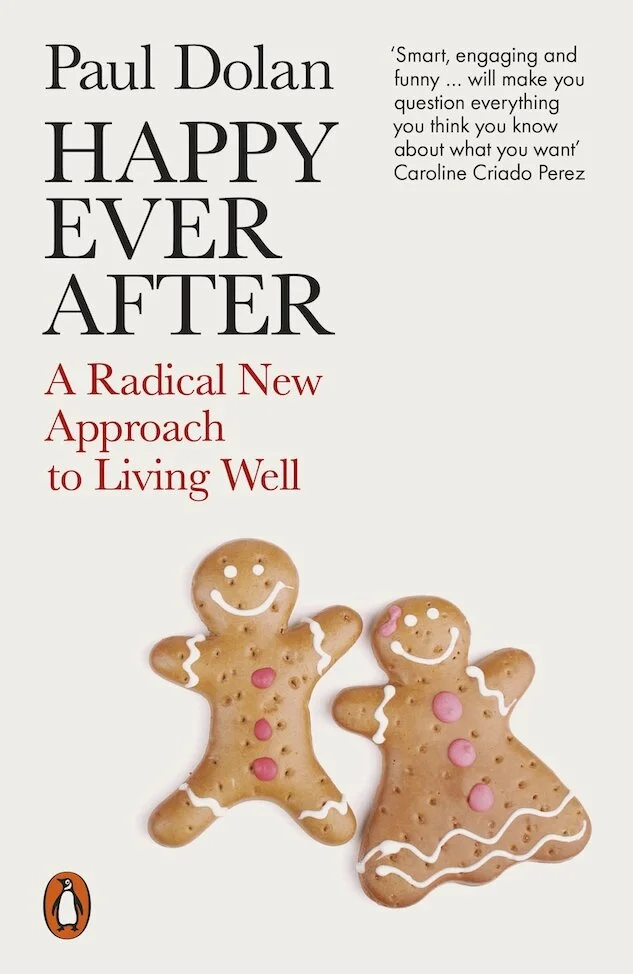
In his latest book, Paul draws on a variety of studies covering issues such as wellbeing, inequality and discrimination to bust the common myths about our sources of happiness. He shows that there can be many unexpected paths to lasting fulfilment. Some of these might involve not going into higher education, choosing not to marry, rewarding acts rooted in self-interest and caring a little less about living for ever.
By freeing ourselves from the myth of the perfect life, we might each find a life worth living.

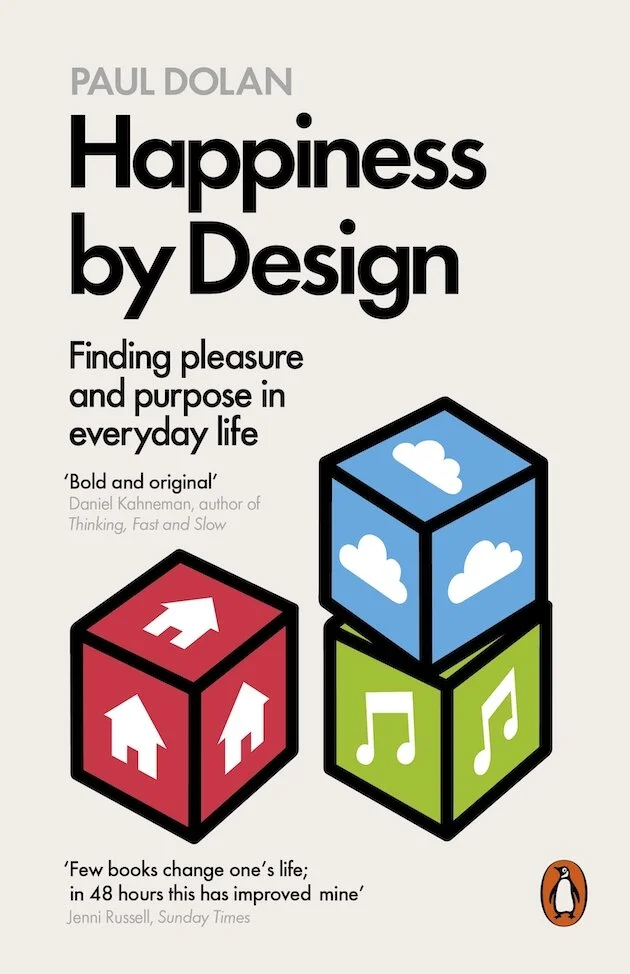
How can we make it easier to be happy?
In his first book, Paul reveals that wellbeing isn't about how we think - it's about what we do. By making deliberate choices that bring us both pleasure and meaning, we can redesign our lives for maximum happiness - without thinking too hard about it.

Crystal: Paul’s Substack
The science behind happiness, Paul’s new Substack, will teach you the science behind happiness, and help you redesign your personal and working life to be happier.